
How Florida Condo Boards Can Reduce Legal Risk Through Better Documentation Practices
July 14, 2025
How Florida Condo Boards Can Reduce Legal Risk Through Better Documentation Practices
Table of Contents
- Why Poor Documentation Is a Liability
- Key Documents That Protect Your Board
- Best Practices for Building a Legal Paper Trail
- Common Mistakes That Lead to Legal Trouble
- Final Thoughts
Why Poor Documentation Is a Liability
When things go wrong in a condo association — budget shortfalls, disputed elections, structural emergencies — one question always comes up:
“What does the board have in writing?”
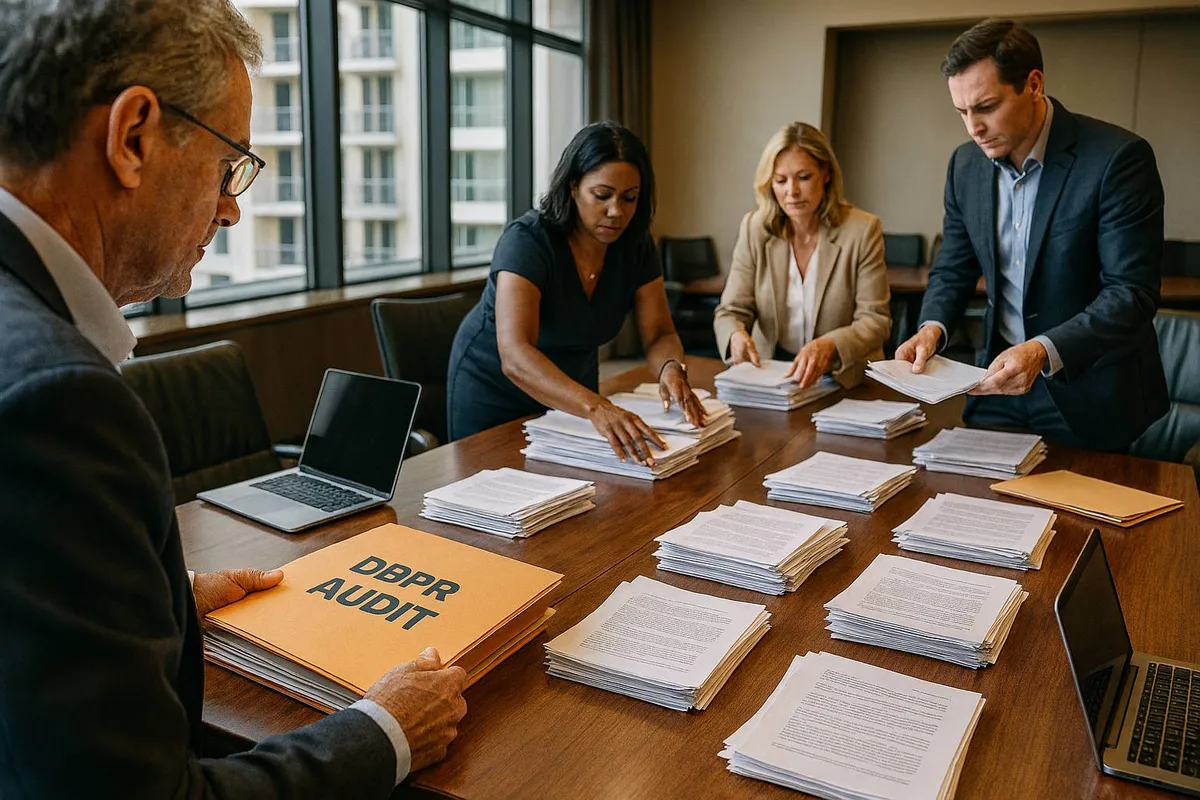
In Florida, failure to maintain accurate, timely, and accessible documentation can expose boards to:
- DBPR complaints
- Lawsuits from unit owners
- Fines and forced mediation
- Loss of credibility among residents
The best defense is a clear, time-stamped, and archived record of board activity.
“Associations must maintain official records that clearly document actions taken by the board and provide access to those records upon request.”
— Florida Statute § 718.111(12)
Key Documents That Protect Your Board
✅ Meeting Minutes
Minutes are your board’s official memory. Poorly written or missing minutes open the door to confusion — or accusations of bad faith.
✅ Meeting Notices and Agendas
Show when and how notice was given to owners. Post in advance, and retain copies of both draft and final versions.
✅ Voting Logs and Attendance Records
Did a quorum exist? Did the motion pass? Who voted which way? This detail matters if actions are challenged.
✅ Virtual Meeting Recordings
If your board meets virtually, the video is part of the legal record. Failing to retain or post it can be interpreted as concealment.
📊 Want to know how your documentation stacks up against Florida’s expectations?
👉 Request a Free Compliance Audit →
Best Practices for Building a Legal Paper Trail
✅ Keep Everything Centralized
Avoid shared email threads or personal folders. Use a secure, shared document portal that:
- Tracks uploads by user
- Shows version history
- Supports public links
✅ Approve Minutes Promptly
Board decisions made in a meeting aren’t official until the minutes are approved. Don’t skip or delay this — it’s the most common documentation failure.
✅ Timestamp and Log Everything
Document:
- Who posted what file
- When it was uploaded
- When it became publicly visible
This proves good faith and legal diligence.
✅ Archive for at Least 12 Months
Florida law now expects public-facing portals to retain up to a year’s worth of records.
Common Mistakes That Lead to Legal Trouble
🚫 Failing to post minutes or notices within 30 days
🚫 Deleting outdated files before the 12-month window
🚫 Losing access when a CAM firm or admin leaves
🚫 Assuming someone else handled compliance
These gaps leave your board vulnerable — even if no malice was intended.
“Inadequate recordkeeping is a leading cause of DBPR complaints and civil litigation.”
— Florida DBPR Annual Report, 2024
Final Thoughts
Your documentation is your shield.
If you can prove your board gave proper notice, followed procedure, voted transparently, and posted everything on time — you’ll be protected even if a complaint is filed.
If not? You may be exposed to risk far greater than a missing file.
👉 Start Your Free Trial →
CondoDataHost automates documentation workflows, audit logs, and public access — giving your board the legal record it needs to operate with confidence.
Protect your board. Protect your decisions. Document everything — the right way.